

Sea Freight
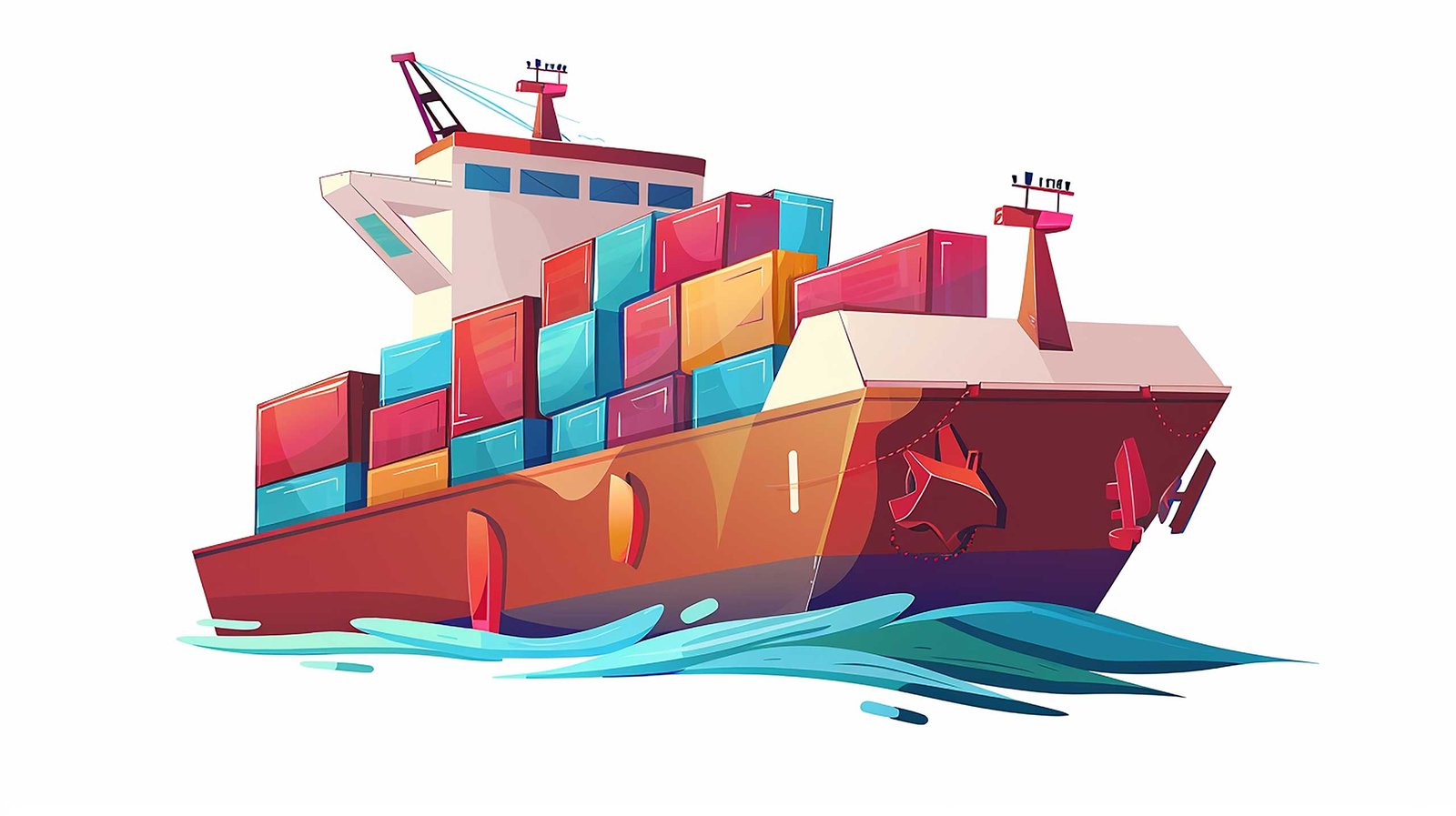
Freight Era team proudly stands as a beacon of excellence in the world of maritime transportation. We have a proven history of delivering exceptional sea freight services to our valued clients. Our proficiency in this domain is further magnified by our close-knit relationships with key terminal operators and governing authorities. This ensures a seamless shipping experience that goes beyond ordinary expectations.
Our wide array of services accommodate a diverse range of cargo and handling methods, from general containers with full container loads (FCL) or loose container loads (LCL), ISO Tank containers, Refrigerated Container, Out of gauge cargo in Open Top Container and Flat Rack, Project shipment, Break bulk, Liquid bulk or Dry bulk. Our versatility to adeptly handle such a range of cargo types is what sets us apart as the preferred choice for businesses with varied and specialized shipping needs.
Learn more about Freight Container Type.
Available equipment 20’ / 40’ Footer
Refrigerated Container (RF)
Flat Rack Containers
Standard General Purpose Container (GP)
Open Top Containers (OT)
ISO Tanks
Sea freight service is the most widely used and most economically-friendly logistics solution across the world. Our proficiency in offering reliable and cost-efficient sea freight services lies in our expansive global network and seasoned team. Our goal is to provide tailored sea freight solutions that align with your unique requirements and exceed your expectations.
When it comes to shipping goods internationally, choosing between air freight and sea freight involves careful consideration of several factors. Both methods have distinct advantages and limitations that can impact your shipping experience. Assessing your specific needs against these factors will guide you towards the most suitable shipping solution for your business or personal shipments.
Cost:
Air: Generally more expensive per kilogram.